






مع تقدم شبكة الطاقة نحو مستويات أعلى من الذكاء والأتمتة، تعتمد موثوقيتها الإجمالية بشكل متزايد على استقرار الأصول المادية مثل أبراج النقل. وعلى الرغم من أن التقنيات المتطورة مثل الطائرات بدون طيار وأجهزة استشعار إنترنت الأشياء وتحليلات الذكاء الاصطناعي قد حسّنت بشكل كبير من تشغيل الشبكة وصيانتها، إلا أن هناك عامل واحد غالبًا ما يتم تجاهله لا يزال يشكل تهديدًا خطيرًا - وهو تراكم المياه في قاعدة البرج. يؤدي التعرض المطول للرطوبة إلى إضعاف التربة المحيطة، ويؤدي إلى تسوية غير متساوية، ويمكن أن يتسبب في نهاية المطاف في ميل برج الإرسال أو حتى انهياره. ولمعالجة هذا الخطر الخفي ولكن الحرج، أصبح تركيب مستشعرات غمر المياه في أساسات الأبراج جزءًا أساسيًا من استراتيجيات مراقبة صحة الأبراج وسلامة الشبكة الذكية. من خلال الكشف المستمر عن مستويات المياه والتكامل مع التكنولوجيا أو الحلول المتقدمة مثل TruGem مراقبة إمالة البرج الحل، يمكن لمرافق الطاقة تحقيق إدارة استباقية قائمة على البيانات للبنية التحتية للشبكة، مما يضمن الاستقرار على المدى الطويل والذكاء التشغيلي.
جدول المحتويات
- منع ميل البرج وانهياره: حماية العمود الفقري للشبكة
- منع تهيج الصقيع في المناطق الباردة
- الإنذار المبكر للفيضانات والكوارث الطبيعية
- من الفحص اليدوي إلى الصيانة الذكية
- حماية أساسات البرج والمكونات المعدنية
- حل مراقبة إمالة البرج المستند إلى نظام تحديد المواقع/النظام العالمي لتحديد المواقع (Beidou/GPS) + حل استشعار غمر المياه
- الخاتمة
- الأسئلة الشائعة (الأسئلة الشائعة)
منع ميل البرج وانهياره: حماية العمود الفقري للشبكة
المخاطر الخفية
تعمل أبراج الإرسال في بيئات قاسية في الهواء الطلق - تتحمل الأمطار والرياح وحركة التربة. عندما تظل أساسات البرج مغمورة بالمياه لفترات طويلة، تلين التربة المحيطة بها، مما يقلل بشكل كبير من احتكاكها وقدرتها على التحمل.
العواقب
بمجرد ضعف الأساس، يمكن حتى للقوى الخارجية المعتدلة مثل الرياح أو ضغط التضاريس غير المستوية أن تؤدي إلى ميل برج النقل أو، في الحالات الشديدة، الانهيار التام. بالنسبة للخطوط ذات الجهد العالي أو الجهد العالي جداً، يمكن أن تتسبب مثل هذه الحوادث في انقطاع التيار الكهربائي بشكل كبير وخسائر اقتصادية، بل وتشكل مخاطر على سلامة المجتمعات القريبة.
الحل
من خلال تركيب مستشعرات غمر المياه بالقرب من قاعدة البرج، يحصل المشغلون على رؤية فورية لرطوبة التربة ومستويات المياه. يقوم النظام بإرسال تنبيهات فورية عندما يتجاوز تراكم المياه العتبات الآمنة، مما يسمح لفرق الصيانة بالتصرف قبل حدوث عدم استقرار هيكلي.
تعمل هذه القدرة على الإنذار المبكر على تحويل الصيانة من الإصلاح التفاعلي إلى الوقاية الاستباقية - وهو حجر الزاوية في مراقبة صحة البرج الحديث.
منع تهيج الصقيع في المناطق الباردة
المخاطر الخفية
وفي المناطق الشمالية أو المناطق المرتفعة، يظهر تهديد آخر - وهو ارتفاع الصقيع. عندما تتجمد التربة المحملة بالرطوبة في فصل الشتاء، يدفع الجليد المتوسع الأساس إلى أعلى. أثناء ذوبان الجليد في الربيع، تستقر الأرض بشكل غير متساوٍ، مما يؤدي إلى حركة متكررة لأعلى ولأسفل تعرف باسم دورات التجميد والذوبان.
العواقب
يمكن أن تتسبب هذه التقلبات الموسمية في إمالة برج الإرسال، وحدوث تشققات دقيقة في الأساسات الخرسانية، وكسور إجهاد في الوصلات المعدنية. وبمرور الوقت، قد تتدهور السلامة الهيكلية للبرج بأكمله، مما يؤدي إلى إصلاحات باهظة الثمن أو الاستبدال.
الحل
باستخدام أجهزة استشعار غمر المياه، يمكن للمرافق مراقبة رطوبة التربة في الخريف وتلقي تحذيرات مبكرة قبل أن تتجمد الأرض. ويتيح ذلك إمكانية اتخاذ تدابير الصرف أو العزل في الوقت المناسب لمنع ارتفاع الصقيع وضمان بقاء الأساسات مستقرة طوال فصل الشتاء.
تعزز هذه الصيانة الوقائية المستندة إلى البيانات كلاً من سلامة الشبكة الذكية وطول عمر الأصول.
الإنذار المبكر للفيضانات والكوارث الطبيعية
المخاطر الخفية
غالبًا ما يتم بناء أبراج النقل عبر تضاريس متنوعة - ضفاف الأنهار أو المنحدرات الجبلية أو الحقول المفتوحة - حيث تواجه التعرض للفيضانات والأمطار الغزيرة والظواهر المفاجئة.
العواقب
يمكن أن يؤدي تراكم المياه الشديد إلى تآكل التربة أو تعرية الأساسات أو حتى جرف طبقات الحماية. أثناء الفيضانات، قد تغمر المياه خزانات التحكم أو معدات التأريض، مما يخلق مخاطر تشغيلية ومخاطر تتعلق بالسلامة.
الحل
يعمل جهاز استشعار غمر المياه كـ “حارس أمامي” أثناء الكوارث الطبيعية. وهو مدمج مع أنظمة الاتصالات في الوقت الحقيقي، ويوفر بيانات حية عن مستويات المياه حول كل برج. وهذا يمكّن مراكز التحكم من اتخاذ قرارات مستنيرة - مثل إعادة توجيه أحمال الطاقة أو إرسال فرق ميدانية مسبقاً - قبل حدوث الضرر.
وبالاقتران مع مراقبة إمالة البرج، يمكن للمشغلين تقييم كل من الإزاحة الأفقية والثبات الرأسي، وبناء نظام إنذار مبكر شامل للأحداث المناخية القاسية.
من الفحص اليدوي إلى الصيانة الذكية
التحدي التقليدي
تاريخياً، اعتمدت عمليات فحص أبراج الإرسال على العمل الميداني اليدوي الذي يتم إجراؤه كل بضعة أسابيع أو أشهر. ومع ذلك، يعاني هذا النهج من عدة عيوب:
- تعني فترات الفحص الطويلة أن مشاكل مثل الفيضانات أو التآكل قد لا يتم اكتشافها لأسابيع.
- من الصعب الوصول إلى المناطق النائية أو الجبلية النائية أو الجبلية.
- ينطوي التفتيش البشري على مخاطر تتعلق بالسلامة، خاصةً أثناء الأحوال الجوية السيئة.
التحوّل الذكي
من خلال نشر أجهزة استشعار غمر المياه الممكّنة لإنترنت الأشياء، يمكن للمشغلين تحقيق المراقبة التلقائية على مدار الساعة طوال أيام الأسبوع بأقل تدخل بشري. ينقل كل مستشعر بيانات في الوقت الفعلي باستمرار إلى منصة مراقبة مركزية.
عندما يتم اكتشاف قراءات غير طبيعية، يقوم النظام تلقائيًا بتحديد موقع البرج بالضبط ويرسل تنبيهات إلى موظفي الصيانة. وهذا يسمح للفرق بالتركيز فقط على مواقع المشاكل - مما يحسن الكفاءة بشكل كبير ويقلل التكاليف ويقلل من التعرض الميداني.
النتيجة
ويمثل هذا التحول من الصيانة المجدولة إلى الصيانة القائمة على الحالة قفزة كبيرة نحو التشغيل الذكي للشبكة ويتماشى تماماً مع مبادئ مراقبة صحة البرج.
حماية أساسات البرج والمكونات المعدنية
المخاطر الخفية
يؤدي التعرض المستمر للرطوبة إلى تسريع تكربن الخرسانة وتآكل الأجزاء المعدنية مثل مسامير التثبيت وأرجل البرج وألواح التأريض.
العواقب
لا يؤدي التآكل إلى إضعاف الهيكل المادي فحسب، بل يؤدي أيضًا إلى تعطيل أداء التأريض، مما يزيد من خطر حدوث أضرار الصواعق أو الأعطال الكهربائية. ومع مرور الوقت، يمكن لهذه المشاكل أن تقلل من عمر البرج التشغيلي وتزيد من تكاليف الصيانة.
الحل
من خلال توفير تحذيرات مبكرة من التعرض للمياه لفترات طويلة، تتيح مستشعرات غمر المياه اتخاذ إجراءات سريعة للصرف والتخفيف من آثارها. ويساعد الحفاظ على بيئة أساس جافة في الحفاظ على كل من السلامة الهيكلية والأداء الكهربائي - مما يطيل عمر الأصول ويضمن سلامة الشبكة الذكية على المدى الطويل.
حل مراقبة إمالة البرج المستند إلى نظام تحديد المواقع/النظام العالمي لتحديد المواقع (Beidou/GPS) + حل استشعار غمر المياه
بينما تكشف مستشعرات الغمر بالمياه عن التليين والتآكل المحتمل للأساسات بينما ترصد أقمار GPS/Beidou الصناعية الميل الهيكلي أو الإزاحة والتشوه الزاوي. عندما يتم دمج هاتين التقنيتين، فإنهما يشكلان حلاً شاملاً لمراقبة صحة البرج.
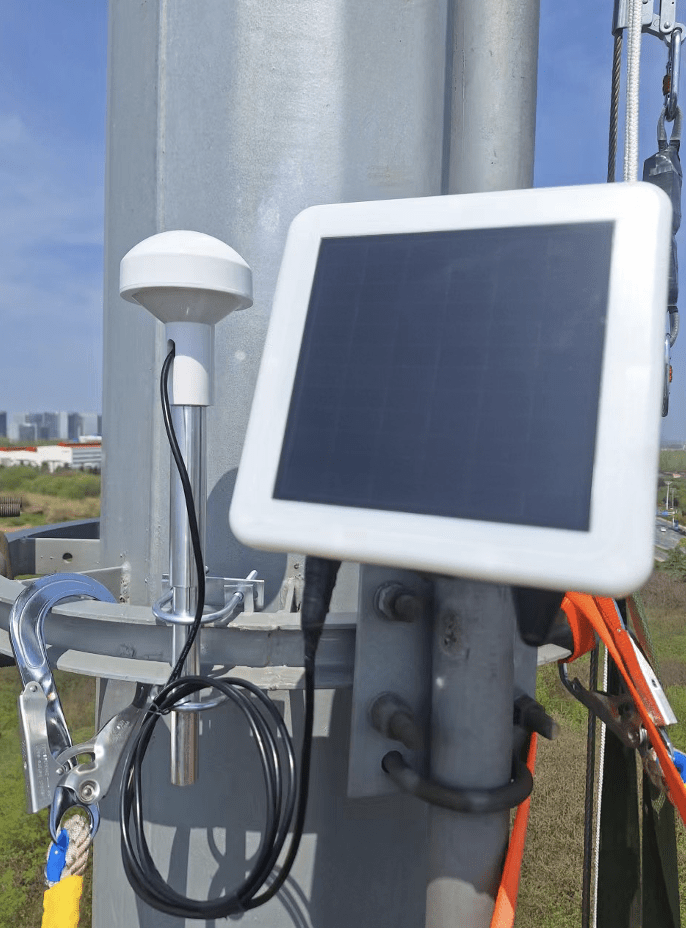
يجمع حل تروجيم لمراقبة إمالة البرج القائم على نظام تحديد المواقع (Beidou/GNSS) من تروجيم بين تحديد المواقع الحركي في الوقت الحقيقي (RTK) عالي الدقة وبيانات مستشعر الغمر المائي في الوقت الحقيقي لتقديم صورة كاملة عن ثبات البرج:
- دقة نظام تحديد المواقع المترددة الراديوي (Beidou RTK): يوفر دقة على مستوى السنتيمتر للمراقبة المستمرة لإمالة برج الإرسال.
- اتصال إنترنت الأشياء: تنقل بيانات مستوى المياه والميل في الوقت الحقيقي عبر شبكات 4G أو Lora.
- تنبيهات متعددة المستويات: يدعم إشعارات الرسائل النصية القصيرة والتطبيق ومركز التحكم لاتخاذ قرارات سريعة.
تُمكِّن هذه التقنيات معاً مشغلي الشبكات من الانتقال من الصيانة التفاعلية إلى الذكاء التنبؤي - مما يضمن سلامة الشبكة واستمرارية التشغيل في جميع الظروف البيئية.
الخاتمة
إن تركيب مستشعرات غمر المياه في قاعدة أبراج النقل هو أكثر بكثير من مجرد ترقية تقنية - إنها خطوة استراتيجية نحو بناء شبكة طاقة مرنة وذكية ومستدامة.
من خلال منع الأعطال في الأساسات الناجمة عن المياه، والكشف عن إمالة برج الإرسال، وتمكين مراقبة صحة البرج في الوقت الفعلي، تحمي هذه المستشعرات البنية التحتية والسلامة العامة. عند دمجها مع حل مراقبة إمالة الأبراج القائم على نظام بيدو/النظام العالمي لتحديد المواقع، فإنها تشكل حلاً قويًا يعزز سلامة الشبكة الذكية، ويحسن الكفاءة التشغيلية، ويدعم التحول العالمي نحو الإدارة الرقمية للطاقة.
الأسئلة الشائعة (الأسئلة الشائعة)
يكتشف مستشعر غمر المياه وجود المياه وعمقها حول قاعدة البرج. يقيس باستمرار مستويات المياه ويرسل البيانات في الوقت الفعلي إلى منصة مراقبة مركزية عبر شبكات اتصالات إنترنت الأشياء.
يمكن أن يؤدي التعرض للمياه لفترات طويلة إلى تليين أساسات التربة، مما يؤدي إلى عدم الاستقرار أو ميل برج الإرسال. يمنع الاكتشاف المبكر من خلال أجهزة الاستشعار حدوث أعطال هيكلية كبيرة ويعزز سلامة الشبكة الذكية.
بينما تراقب أجهزة استشعار الغمر بالمياه عوامل الخطر البيئية، تقيس أجهزة مراقبة إمالة البرج الحركة الهيكلية الفعلية للبرج. ويوفران معاً فهماً كاملاً لصحة البرج واستقراره.
نعم. أجهزة مراقبة غمر المياه والميل مدمجة ومعيارية ويمكن تركيبها على أبراج الإرسال الحالية دون الحاجة إلى إنشاءات كبيرة.
توفر تقنية Beidou RTK دقة تحديد المواقع على مستوى السنتيمتر، مما يضمن قياس الميل بدقة. وعند دمجها مع مستشعرات غمر المياه، فإنها توفر تحذيرات مبكرة لكل من المخاطر البيئية والهيكلية - مما يعزز الموثوقية عبر شبكة الطاقة.