






Offshore drilling platforms operate at the intersection of high energy output, complex machinery, and some of the harshest natural conditions on Earth. As global demand for oil and gas remains strong, the industry faces increasing pressure to improve offshore drilling safety while controlling costs and minimizing environmental risks.
Traditionally, offshore drilling safety relied heavily on manual inspections, periodic maintenance schedules, and reactive responses to incidents. However, these methods are no longer sufficient. Corrosive marine environments, unpredictable weather, aging infrastructure, and stricter regulatory requirements are forcing operators to rethink how safety is managed.
Today, a new safety revolution is underway. By combining industrial AIoT solutions, extreme environment monitoring, and corrosion-resistant technologies, offshore platforms are transforming from isolated mechanical structures into intelligent, data-driven systems. This shift is redefining offshore drilling safety at every level—from structural integrity and equipment health to personnel protection and emergency response.
Оглавление
- 1. The Unique Safety Challenges of Offshore Drilling Platforms
- 2. Why Traditional Safety Approaches Are No Longer Enough
- 3. The Role of AIoT in the Offshore Drilling Safety Revolution
- 4. Extreme Environment Monitoring: Seeing Risks Before They Escalate
- 5. Corrosion-Resistant Technology as a Safety Enabler
- 6. Building Integrated Offshore Platform Monitoring Systems
- 7. Compliance, Sustainability, and the Future of Offshore Drilling Safety
- Conclusion: Offshore Drilling Safety as a Strategic Advantage
1. The Unique Safety Challenges of Offshore Drilling Platforms
1.1 Operating in Extreme and Unforgiving Environments
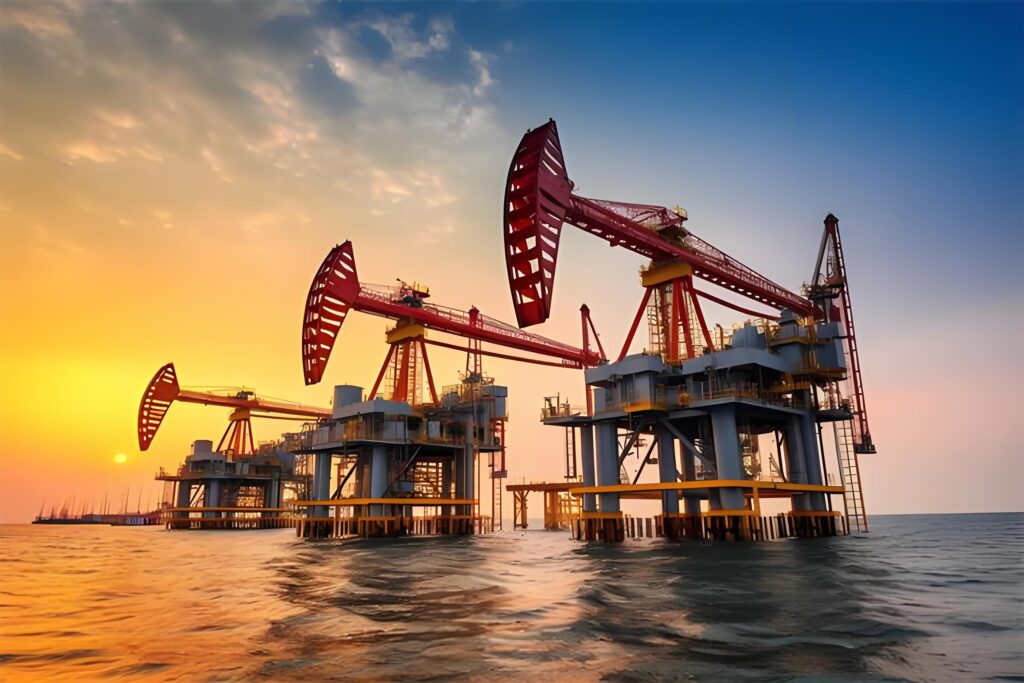
Offshore drilling platforms face conditions that few industrial facilities ever encounter. Constant exposure to saltwater, high humidity, strong winds, heavy waves, and fluctuating temperatures creates a perfect storm for equipment degradation and operational risk.
Extreme weather events such as typhoons, hurricanes, and winter storms further amplify these challenges. Without continuous extreme environment monitoring, platforms may not detect early warning signs of structural stress or equipment failure until it is too late.
1.2 Corrosion: The Silent Threat to Offshore Drilling Safety
Among all risks, corrosion remains one of the most persistent and underestimated threats to offshore drilling safety. Salt spray, moisture, and chemical exposure accelerate corrosion in metal components, pipelines, fasteners, and electronic systems.
Even minor corrosion, if left undetected, can compromise load-bearing structures or critical safety systems. This is why corrosion-resistant technology is no longer optional—it is a foundational requirement for modern offshore platform monitoring systems.
1.3 Human Safety in High-Risk Offshore Operations
Offshore drilling involves heavy machinery, high-pressure systems, flammable materials, and complex workflows. Any equipment failure or environmental anomaly can directly endanger personnel.
Reducing the need for manual inspections in hazardous areas has become a key objective in offshore drilling safety strategies. Intelligent monitoring and remote diagnostics now play a central role in protecting human lives.
2. Why Traditional Safety Approaches Are No Longer Enough
2.1 Limitations of Periodic Inspections
Conventional offshore drilling safety practices rely on scheduled inspections. While necessary, these inspections only provide a snapshot of conditions at a specific moment in time.
Between inspections, corrosion may accelerate, vibrations may increase, or environmental parameters may shift beyond safe thresholds—without immediate detection.
2.2 Reactive Maintenance Increases Risk and Cost
Reactive maintenance occurs after a failure has already happened. In offshore environments, this often leads to unplanned shutdowns, emergency repairs, and increased safety hazards.
Without real-time offshore platform monitoring systems, operators lack the visibility needed to anticipate failures and intervene early.
2.3 Data Silos and Limited Connectivity
Many offshore platforms still operate with fragmented data systems. Sensor data, control systems, and safety alarms are often isolated, limiting situational awareness.
This lack of integration undermines offshore drilling safety and slows down decision-making during critical events.
3. The Role of AIoT in the Offshore Drilling Safety Revolution
3.1 From Isolated Sensors to Intelligent Systems
Modern industrial AIoT solutions transform raw sensor data into actionable insights. Instead of simply collecting temperature, pressure, or vibration readings, AIoT platforms analyze patterns, detect anomalies, and predict potential failures.
This shift enables offshore drilling safety teams to move from reactive responses to proactive risk management.
3.2 Edge Computing for Real-Time Safety Decisions
Offshore platforms often operate in remote locations with limited bandwidth and intermittent connectivity. Edge computing allows data to be processed locally, ensuring real-time responses even when cloud access is unstable.
By deploying intelligence at the edge, offshore platform monitoring systems can trigger alarms, initiate shutdowns, or adjust operations instantly—significantly improving offshore drilling safety.
3.3 Reliable Connectivity in Harsh Offshore Conditions
Stable communication is essential for it. Industrial-grade gateways, designed with corrosion-resistant technology, ensure reliable data transmission despite salt fog, vibration, and extreme temperatures.
These gateways form the backbone of modern offshore monitoring systems, enabling seamless integration between sensors, control systems, and remote operation centers.
4. Extreme Environment Monitoring: Seeing Risks Before They Escalate
4.1 Continuous Monitoring of Environmental Parameters
Extreme environment monitoring includes real-time tracking of wind speed, wave height, temperature, humidity, gas concentration, and structural stress.
By continuously monitoring these parameters, offshore platforms can identify dangerous trends early and adjust operations accordingly.
4.2 Predictive Analytics for Environmental Risk Management
AI-driven analytics allow offshore drilling safety teams to correlate environmental data with historical incidents. This enables more accurate risk forecasting and better preparedness for extreme conditions.
Predictive insights reduce emergency interventions and enhance overall offshore drilling safety.
4.3 Integrating Environmental Data with Operational Systems
When environmental monitoring data is integrated with drilling control systems, platforms gain a holistic view of risk. This integration supports automated responses, such as reducing drilling speed or suspending operations during hazardous conditions.
5. Corrosion-Resistant Technology as a Safety Enabler
5.1 Designing for Longevity in Marine Environments
Modern offshore platform monitoring systems are built using corrosion-resistant materials, sealed enclosures, and industrial-grade connectors. These design choices significantly extend equipment lifespan and reliability.
Reliable hardware is a critical pillar of offshore drilling safety, especially in long-term offshore projects.
5.2 Protecting Electronic Systems from Salt and Moisture
Electronic failures caused by corrosion can disable safety systems and monitoring equipment. Advanced coatings, IP67-rated enclosures, and marine-grade components ensure continuous operation under harsh conditions.
5.3 Reducing Maintenance Risks Through Durable Design
Corrosion-resistant technology reduces the frequency of on-site maintenance, minimizing personnel exposure to hazardous environments and enhancing offshore drilling safety.
6. Building Integrated Offshore Platform Monitoring Systems
6.1 A Unified View of Safety and Operations
Integrated offshore platform monitoring systems consolidate data from equipment, environment, and personnel into a single dashboard. This unified view improves situational awareness and decision-making.
6.2 Alarm Management and Multi-Level Safety Responses
Modern systems support intelligent alarm prioritization and multi-level alerts. This ensures that critical safety issues are addressed immediately, while non-critical alerts do not overwhelm operators.
6.3 Supporting Remote and Centralized Operations
Centralized monitoring centers allow experts to oversee multiple offshore platforms simultaneously. This model improves consistency, reduces response time, and strengthens safety across entire fleets.
7. Compliance, Sustainability, and the Future of Offshore Drilling Safety
7.1 Meeting Stricter Safety and Environmental Regulations
Regulatory requirements for offshore drilling safety continue to evolve. Digital monitoring and data traceability help operators demonstrate compliance and improve audit readiness.
7.2 Supporting Sustainable Offshore Operations
By reducing unplanned downtime, preventing leaks, and optimizing maintenance, AIoT-driven safety systems contribute to more sustainable offshore operations.
7.3 The Path Forward: Smarter, Safer Offshore Platforms
The future of offshore drilling safety lies in intelligent infrastructure. As AIoT technologies mature, offshore platforms will become increasingly autonomous, resilient, and safe.
Conclusion: Offshore Drilling Safety as a Strategic Advantage
The safety revolution of offshore drilling platforms is no longer theoretical—it is happening now. By embracing offshore drilling safety as a data-driven discipline and leveraging extreme environment monitoring, corrosion-resistant technology, and industrial AIoT solutions, operators can significantly reduce risk while improving efficiency.
It is no longer just about compliance. It is a strategic advantage that protects people, assets, and the environment—while enabling the energy industry to operate with greater confidence in the world’s most challenging environments.